While it is hard to focus on anything but what’s happening in Iran, which is indeed a big upset of the status quo, it has rather little immediate impact on the Nordics. There’s a significant Iranian diaspora in Sweden, about 100,000, who have surely been both ecstatic and anxious about the news coming out from the region over the past few days, but there are few effects on the Nordics overall that haven’t already been detailed in my previous article.
Instead, we must turn our focus to an issue that has been particularly salient in Nordic politics over the last few months: energy. While most of Europe languishes in their lack of cheap, stable energy, the Nordics have never suffered that problem. Thanks to a mature renewables market, modern infrastructure and lots of hydropower (wind for Denmark), not to mention Norwegian hydrocarbons, Nordic energy has always been cheaper than European energy, which mainly relies on oil and gas. This fact has also made Sweden and Finland popular for data centres and manufacturing (in combination with its cooler temperatures), bringing new investment into the countries. The Nordics have mastered the art of cross border grids, having been fully integrated since the 1960s as the first truly regional power market in Europe.
Since the shock of the Russian invasion of Ukraine, and now more recently the closing of the strait of Hormuz, the EU has been made keenly aware of its own energy problems. In light of this, President of the Commission Ursula von der Leyen has unveiled a plan to alleviate these issues through a mixture of investment in renewables, energy highways and upgrades. First, we have to understand what the plan is.
The Energy Plan
While it is true that European energy is not cheap, a lot of it can be attributed to the various bottlenecks that the Commission aims to address. While members are somewhat interconnected between them, the lines are congested and over half of the capacity that is needed by 2050 isn’t even being planned yet. Furthermore, the queues to connect new assets to the grid are long, which particularly affects new wind and solar projects that have already secured funding. Grid connection queues across the EU are blocking over 1,700 GW of renewable energy projects, which is more than three times the capacity needed to meet 2030 climate targets.
Connecting to the grid can delay projects by two to eight years on average due to this protracted queuing, but this is somehow not even the worst of the delays. The permit process alone takes on average five to ten years due to fragmented processes and slow environmental investigations, which means one project can take up to 15 years before it is active on the power market. As compared to the US and UK at five to seven years, or China’s three to five years, this would seem to be a major inefficiency.
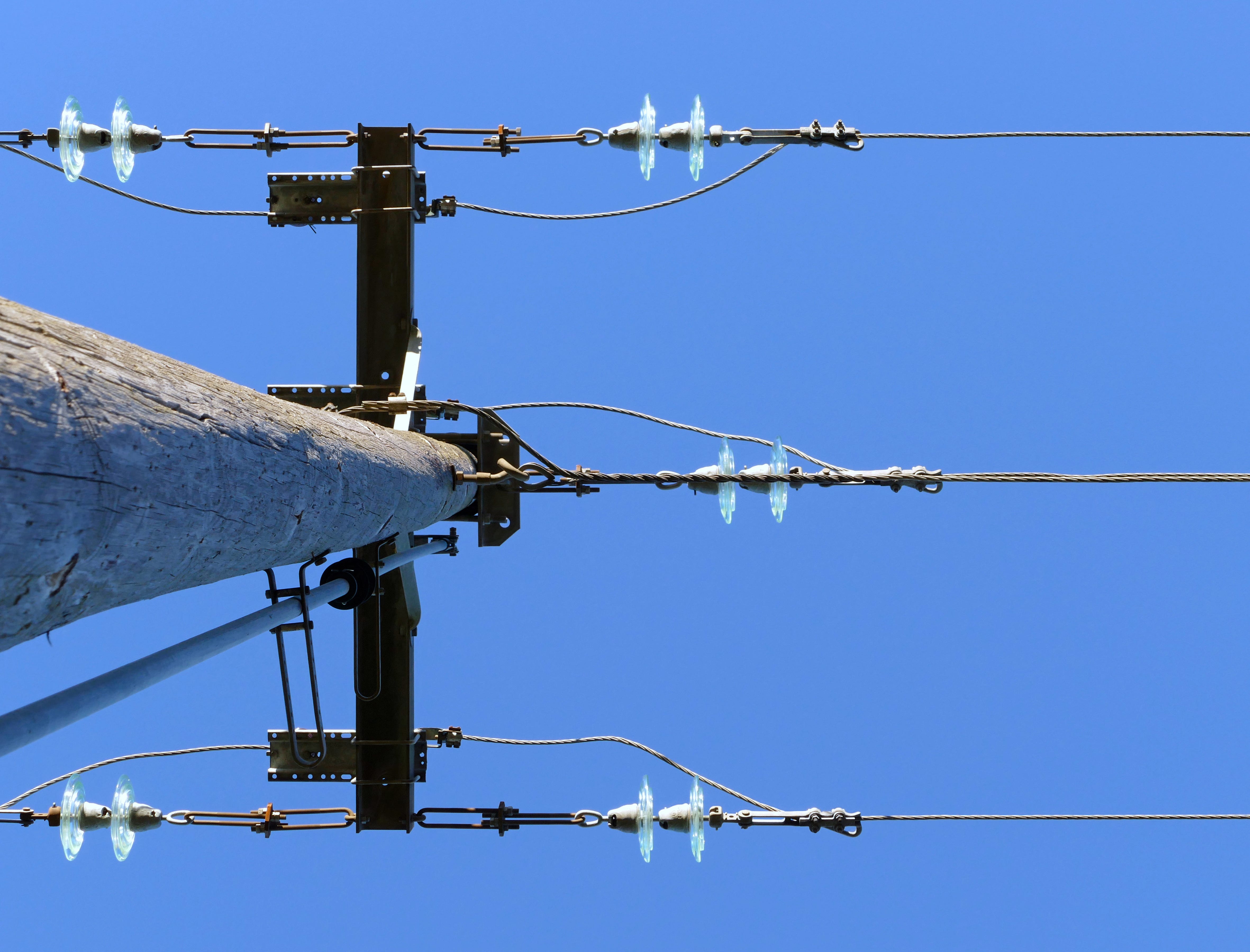
To address this gridlock, the Commission has a plan. The core elements aim to create or strengthen eight “energy highways” across the EU, with a stronger role for Brussels in coordinating the projects and planning the future of the energy grid. They will also revise existing regulations and prioritise about 85 “projects of common interest” to increase and streamline permitting processes. Furthermore, they’ll push for digital distribution grids, dynamic tariffs, flexible connections, and grid-enhancing tech to unlock 20 to 40% more capacity without new lines.
Should this pass, this would mean shortening approval processes from five to ten years to under three through deadlines, one-stop-shops and automatic approval in some cases, which should free up the capacity that is frozen in the grid connection queues. It also mobilises about €584 billion to invest in upgrades and digitisation to the system, as well as boosting interconnections and systemwide planning to minimise congestion.
What It Means for Us
To begin with, the positives would be mainly financial. The Nordics already produce a sizable energy surplus, of which some is already sold to Germany, which would ease pathways to Europe under this new plan. It would open up energy exports to a wider market, while also stabilising prices. A stable energy market is not only a boon to the population but also increases resilience across the continent. Much of Nordic energy comes from wind, solar and hydropower, the output of which can vary across seasons, or even days. Connecting to the wider European grid may then help stabilising these variations when output is low. After all, if the wind stops in Denmark, maybe it still blows in the Netherlands? Furthermore, around €36 billion will be earmarked for the Nordics, with the intention of building an energy hub that connects to the Baltics and Germany through Bornholm, a Danish island located between Sweden, Germany and Poland.
On the other hand, it is another step on the path of dilution of sovereignty that has plagued EU members for decades. If Nordic sovereignty is a key issue for you, then this is an aggravating move. Furthermore, there has been antagonistic domestic debates regarding the selling of energy to Germany and its effects on prices for Swedes over the years, whose fires will be further stoked by this plan. At the early stages of this plan, it will likely further squeeze Nordic households and drive costs up. This is all assuming the plan is designed well, of which there is no guarantee, in which case it would be extremely unpopular in the Nordics and risk further fragmentation, if the Nordics must carry a disproportionate burden.
Cheap energy is an attractive tool in the Nordic marketing arsenal, one which pulls billions in investment each year. This plan, if designed well, should have little effect or even improve this strategy. It will also shield consumers from some of the worst spikes of the global energy market, making Europe an overall safer and more stable place to live. However, if it’s designed poorly, it could mean the Nordics would have just gambled away their key advantage on the global market for something that did not pay out what it promised. Of course, that doesn’t make the entire idea inherently bad, but it would make it a bad financial investment for the Nordics. The real question for politicians to ponder is this: will this EU grid plan extend what makes the Nordics great into Europe? Or will Europe instead dilute what makes the Nordics great?