It was on one day, in early September 2001, that a singular terrorist attack would change the course of the world forever. 2,977 innocents died, as the world looked on in horror. The next day, as the truth of the attacks was unwinding, NATO ambassadors gathered in Brussels and, within 24 hours, agreed that the attacks fell under Article 5 of the NATO statutes. This would be the first, and as of yet, only time a member invoked this article. Soon, hellfire rained down upon Afghanistan which harbored the perpetrators, and soon after it extended to Iraq (although on significantly shakier grounds). Roughly 7,000 U.S. troops gave their lives for this cause, as did 1,200 of their European allies (these numbers are far overshadowed by the civilian death toll of both Afghanistan and Iraq, which range in the hundreds of thousands). There was no question.
Then, just two weeks ago, President Donald Trump attacked Iran in conjunction with Israel. To say that the response was different this time around would be the understatement of the century. Although the conflict began with a blisteringly successful airstrike, since then it has stalled. European allies responded with tentative support, except for Prime Minister Pedro Sánchez who condemned the strikes, which has since waned. Recently, President Trump explicitly called for support from his allies to keep the Strait of Hormuz open, which was met with a resounding “no thanks, good luck though!” This is not the result of any particular love for the mullahs, but rather thanks to a growing distance between the once steadfast allies.
However, Europe is just as badly affected by the closing of the strait as any other country, if not more so, which could lead one to argue that they should indeed support the U.S. anyway, personal dislike of President Trump notwithstanding. Would that be a good idea? Why would he need Europe, when he has the might of the U.S. Navy under his command? To answer this, we must first understand the myriads of reasons for why allies have turned him down.
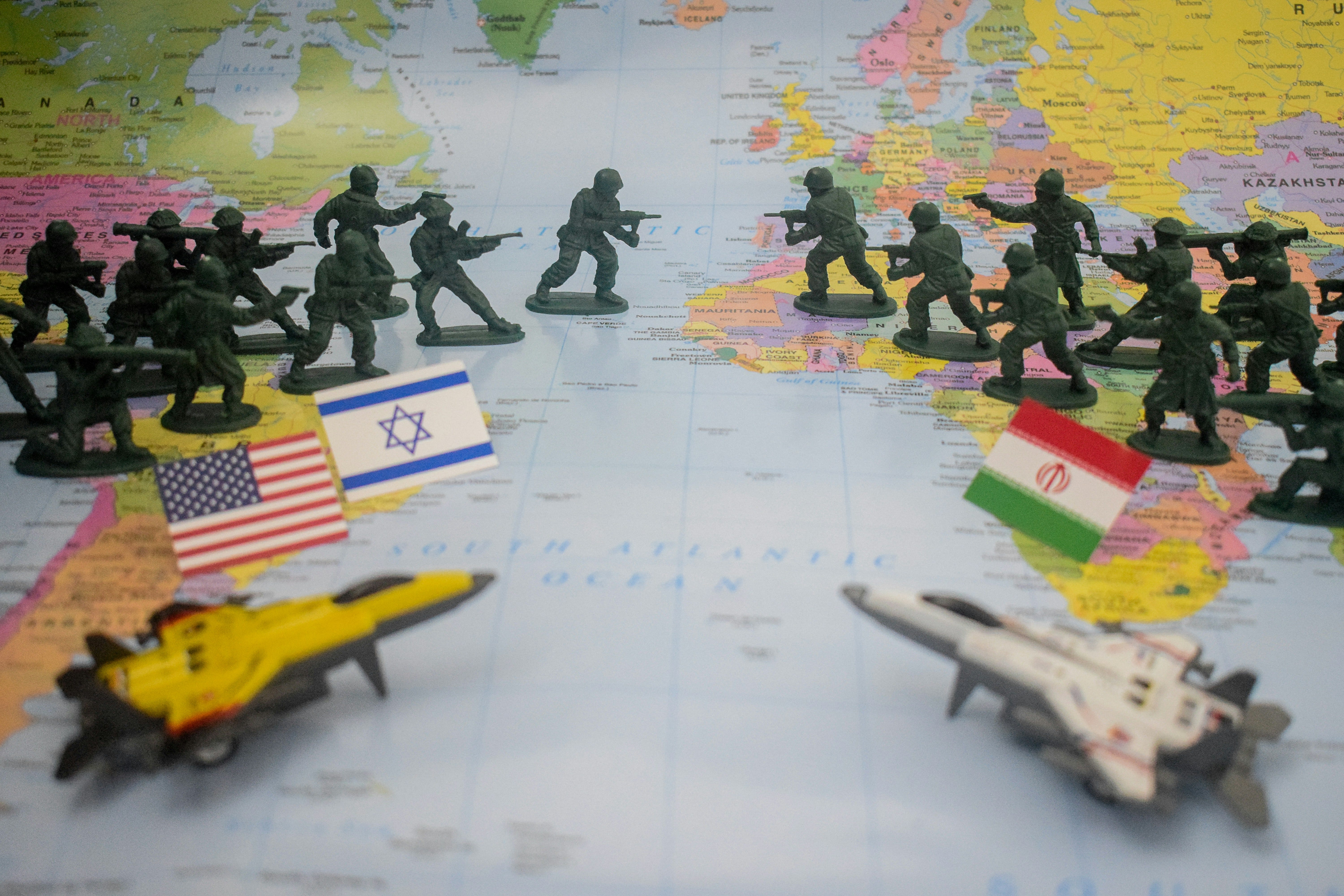
The Painful Process of Growing a Spine
Although President Trump’s first term was chaotic in European eyes, when he once more took office there was a sense that this time would be different. The first major shock came when President Trump and his vice president publicly scolded President Volodymyr Zelenskyy, followed by their abrupt withdrawal of support for the Ukrainian war effort, then followed on top of that by the so-called Liberation Day when President Trump imposed unprecedented tariffs on the world that were later struck down by the Supreme Court. It is not a surprise, then, that Europe and the U.K. opted for an appeasement strategy. Both made big concessions on trade deals with the U.S., which the president has repeatedly undercut or otherwise not honored since.
Now, it seems Europe is sick of it. No matter the deals they’ve made, it would seem the U.S. will not uphold their end of the bargain or demand more. The tipping point came earlier this year, when President Trump was pushing harder for ownership of Greenland. The lesson Europe took away from the debacle was that they can put their foot down (especially with the trade bazooka ready to go), whereas the American lesson remains unclear.
As for this current conflict, Europe’s decisions to stay out of it are both personal and practical. Personal, in that they have not forgotten how close they were to armed conflict with their greatest ally, the pillar of European security, just a few months ago. Furthermore, President Trump has insulted European troops that sacrificed their lives in Iraq and Afghanistan, which serves as somewhat of a detriment to European goodwill toward U.S. endeavors in the Middle East. As President Trump is also wildly unpopular in Europe, even on the far right, it would be a politically foolish move to sacrifice more European lives for a war whose goals seem unclear still.
On the practical side, Europe is tied up not only in their own rearmament processes, but also in Ukraine. Now that the U.S. has stopped all monetary and intelligence support, Europe is picking up the slack. Simply put, considering the dire state of many European militaries, they do not have much to spare regardless of will. Although President Trump covertly threatened to withdraw from NATO in his request for support, should his allies not heed it, the threat itself may just have the opposite effect on European politicians at this point. Furthermore, now that Europe takes care of Ukraine on their own, he cannot play that card (which would have been a much more acute threat, had he saved that card until now).
However, all of these valid factors notwithstanding, one could still be left wondering if supporting the U.S. in this conflict would benefit Europe as well. Indeed, oil prices affect Europe the same as the rest of the world and a third of all fertilizer comes through this strait, so if nothing else the financial benefits should be tangible. But can Europe even offer anything? Perhaps the question is not what they can offer, but at what price.
What Europe Can Offer, and What They Should Ask For
To start with, most of the countries (European or not) that have been asked for help have either said no, or not responded; however, that is a bit of a wasted opportunity. European help would not matter much in terms of capabilities—there are few things that Europe can offer that the U.S. doesn’t already have—however, they would function as a useful force multiplier. Cynically, it may also be politically beneficial to perhaps push allies to the front and spare U.S. lives. Less cynically and more practically, European air bases could provide some logistical relief to the operation, as well as with some air coverage when it comes to missiles and drones. President Zelenskyy offered some anti-drone expertise in exchange for stronger U.S. support in the peace negotiations with Russia, but it was rejected.
Given that what Europe can offer is relatively small, one could ask themselves why President Trump would even ask at all, especially given his previous hostile interactions with the Continent. That is beyond the scope of this author; however, it may have something to do with souring relations to the Gulf states that weren’t consulted on this war either but are taking the brunt of their missiles and drones. Regardless, this resounding no may seem like a strong rebuke of U.S. intervention in the region, but actually it represents a lost opportunity.
If appeasement didn’t work, rather it just made Europe seem weak, then perhaps Europe should take a page out of President Trump’s book and become transactional. Although President Zelenskyy tried this and was rejected, it may prove different when it’s an entire continent negotiating. If President Trump requires assistance in Iran, it would then be more than fair for Europe to ask for increased, tangible support for Ukraine in return. Of course, what Europe can offer is not comparable to what they are asking, but it’s a win-win no matter if President Trump’s response is negative or positive.
That being said, it would still be hard to convince the European people of this trade. Should Iran descend into civil war, or the war prove protracted, it is Europe that will have to deal with the fallout, like they did following 2001 and all subsequent conflicts in the Middle East. Europe still should’ve used this opportunity to improve their own leverage while they could, but it is understandable that they would not even consider wagering their soldiers’ lives on such a gamble, especially given President Trump’s flakiness vis-à-vis deals. Rather, this snub represents what losing your “soft power” means. “America first” has indeed turned into “America alone”, and this is the result. As you make your bed, so must you lie in it.