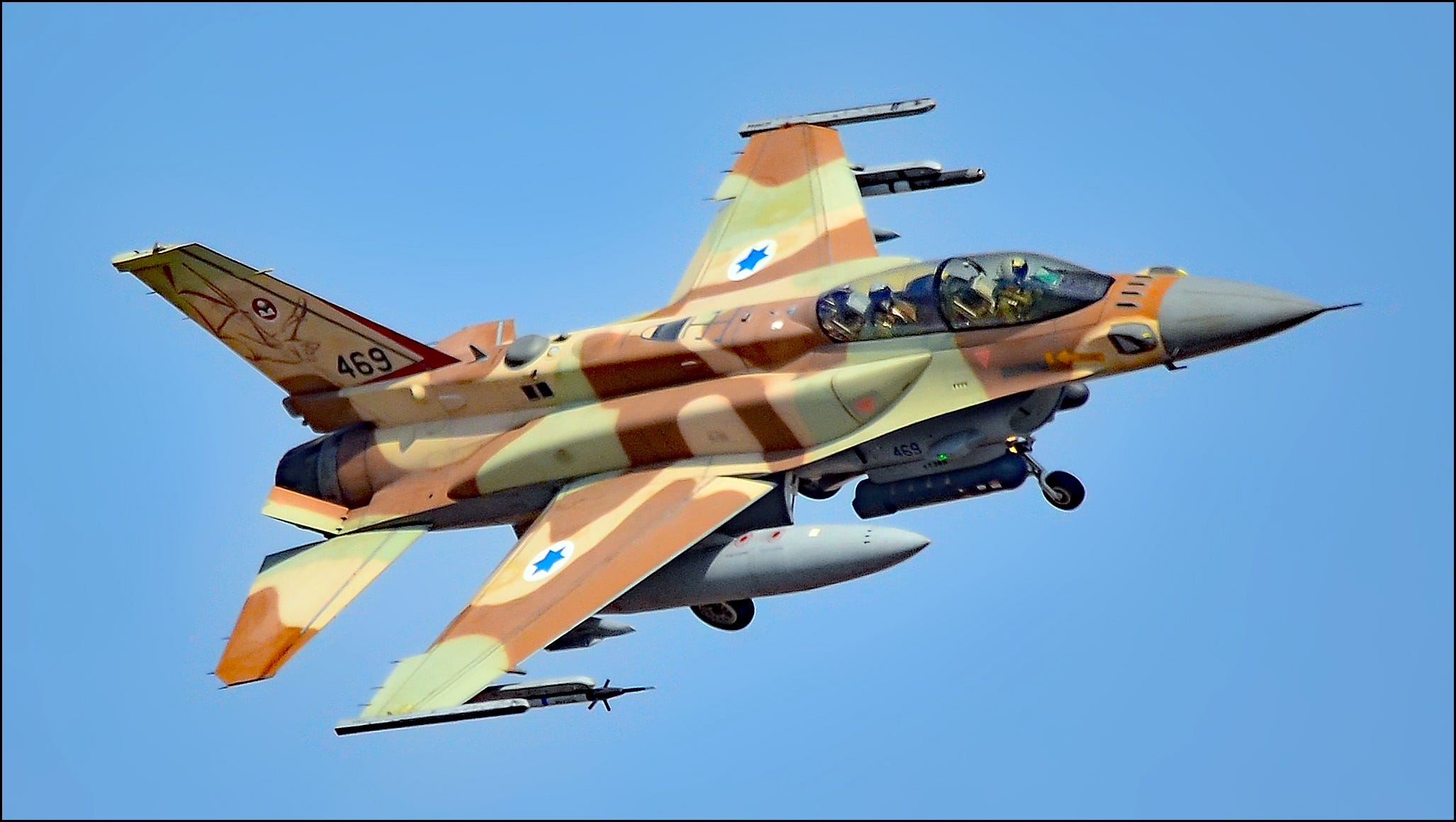
Unless you live under a rock (in which case, is there room for one more?), you will undoubtedly have noticed that there’s a bit of conflict in the Middle East again. Over the weekend, the US and Israel jointly launched an assault on Teheran which claimed the lives of the top leadership of Iran, among them Ayatollah Khamenei. This move follows a month of domestic protests in Iran which culminated in a vicious crackdown from the regime and claimed approximately 40,000 lives, although estimates are still vague. While negotiations between the three parties had seemingly gone well, at least according to the Omani negotiator, it was not enough to stop the onslaught.
The Iranian military, now without their leaders, have launched missiles and drones at previously safe neighbours – even Oman, a rare ally. Escalation and pain are their weapon against President Trump, who promised no more wars as part of his campaign (specifically Middle Eastern wars).
Meanwhile, nary a peep has been heard from the EU. Only Spain’s Prime Minister Pedro Sánchez has condemned the attack, while other EU leaders seem outright surprised. Although it would have been difficult, if not impossible, to convince the leaders of the EU to join in the effort while they’re grappling with significant domestic issues and war in Ukraine on their doorstep, it is customary to inform allies of imminent strikes. In fact, they were so out of the loop that the Italian defence minister was left stranded in Dubai on vacation as the counterattacks began.
Europe being left in the dark is not entirely unexpected, considering the growing fractures in the transatlantic alliance, but it is Europe that will have to deal with the consequences of a war they have no part in shaping. So, to begin with, what could they be?
What It Means for Europe
While no tears will be shed for Ayatollah Khamenei, a brutal dictator diametrically opposed to everything even remotely Western, there is a possibility that his death could instigate instability causing dire consequences. In one scenario, the remnants of the regime could split and devolve into civil war which often spreads across borders, like the Syrian civil war. In another, a more pliant regime could take the old one’s place and appear willing to placate the US, as happened in Venezuela, which leaves the future of the oppressed Persian people in murky waters. In a third possible outcome, the people heed Trump’s calls and rise up, which in and of itself could either spiral into civil war or ethnic conflicts, but hopefully leads to a stable democracy emerging. The fourth scenario, and most likely in the near-term, is that the remnants of the regime will try their best to hold out, wreaking as much havoc on the world as possible.
Although the scenarios are plentiful, and their unique consequences unknowable, there are some consequences we can predict with some degree of certainty. Should this “war” prove protracted, we will likely see increased migration flows within the coming weeks. Hopefully, the EU has learned some important logistical lessons since the migration crisis of 2015, but regardless it is still sure to test members’ cohesion, cooperation, politics and ethics. Europe holds a significant Iranian diaspora; many of whom still have relatives in Irian they will surely want to bring to safety.
Another consequence that hasn’t been talked about much yet is the effect this conflict will have on inflation. Around 20% of the world’s oil flows through the Strait of Hormuz, which has been explicitly declared closed under the threat of violence by Iran. This will cause a steep increase in energy prices throughout March, which in turn will fuel the sticky inflation Europe has been dealing with since the pandemic, just as the outlook was getting brighter.
Furthermore, it will make Russian oil more valuable and fuel their war efforts, in the nick of time as necrosis was setting in on the Russian economy. Both Russia and Belarus also weaponize migration flows against Europe, something they will have more opportunity for if Iranians arrive at their borders.
Finally, the Iranian regime has long tendrils that even stretch into Europe. A prominent example is the case of the Foxtrot Network in Sweden, a violent drug trafficking gang, who take up missions on behalf of Iran, such as attacking the Israeli embassy. If the current regime manages to sustain itself, they may call in favours with gangs, as well as with other radicalised cells across Europe. This may have some limited physical damage, but a widespread psychological and destabilising impact.
Europe in the World
Europe has the potential of a superpower, but it most assuredly isn’t. Outside of the Middle East, Europe will feel the effects most keenly while having no power whatsoever to shape the outcome. Should the US, Israel and Iran reach a future deal, which we all surely hope will lead to a stable and democratic Iran, Europe will certainly not be included in those talks. If anything, this conflict highlights just how vulnerable the union still is on the geopolitical stage, a perception that most likely won’t improve over the short- or even medium-term.
However, there are still actions the EU can and should take in the meantime. If there is only one lesson the EU should take from this, it is that it must solve the issue of energy. Every great economy is fuelled by access to cheap energy, but the EU lacks both oil and gas, while also winding down its coal mining. This was fine until the flow of cheap Russian energy stopped, and now oil has once again proven itself an unreliable form of energy, capable of crippling even the greatest of economies. The EU must improve its grid, a plan that has been suggested by President of the Commission Ursula von der Leyen already, as well as accelerate and diversify renewable and clean energy. Energy independence, clearly, is the key to securing EU sovereignty.
Some crossborder energy projects can take up to ten years to be approved within the EU, which must be urgently shortened. Furthermore, the common good of society should weigh heavier than the possible environmental impact in certain energy projects, particularly in cases of renewable energy. Simply put, this means that solar parks or wind farms must not be delayed or cancelled because they might threaten local biodiversity. The bigger picture must always prevail.
While within the Western World Europe is likely to suffer the consequences of this conflict the most, we must remember that it is the Middle East which will suffer the heaviest consequences. The people of Iran, in particular, have suffered for a long time under their murderous, bigoted, backwards government, but now may be set to suffer further, at least in the short-term.
Millions have hoped and prayed for this day. The soldiers, whether Israeli or American, will pay the ultimate price, as six American soldiers already have. Whether for good or for bad, no matter the intentions or consequences, the decision has been made. Now, we can only hope that this is one of those rare cases where a war in the Middle East works out, and the people can be free.