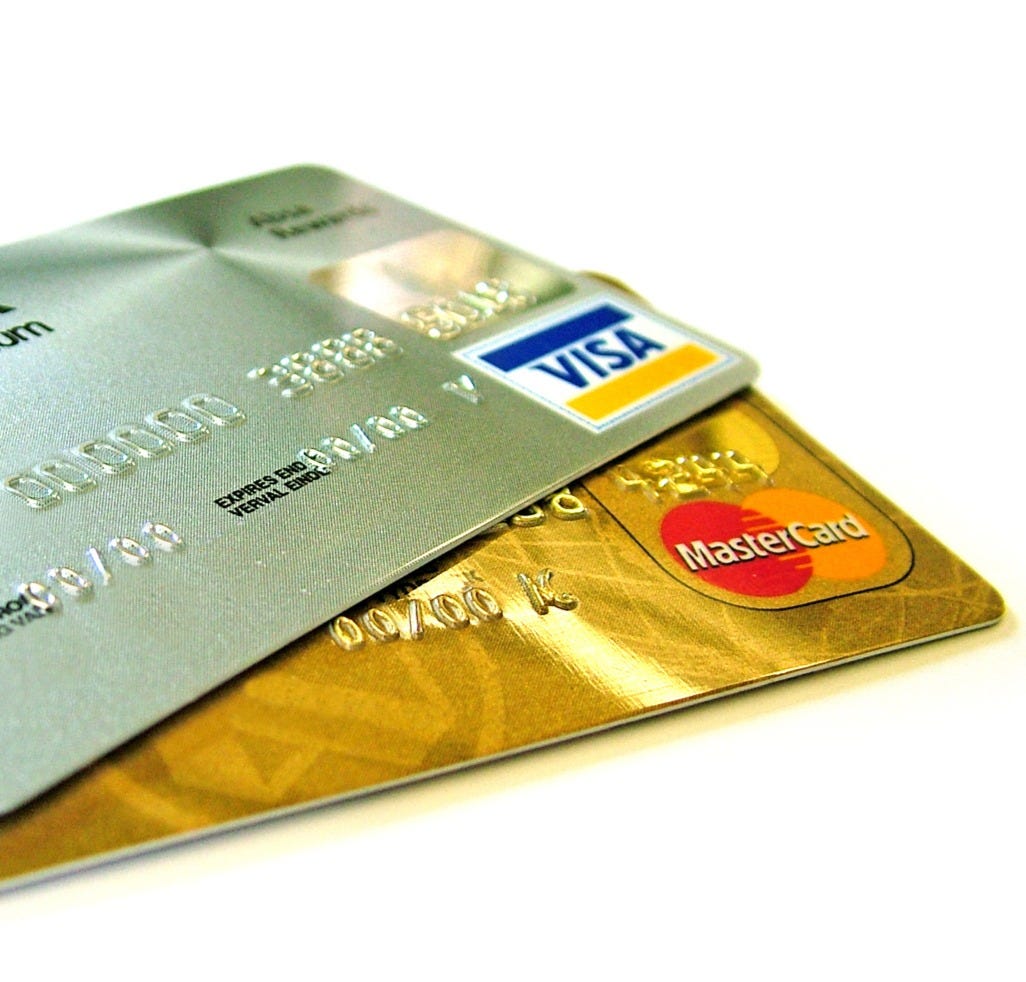
Although the Greenland drama has settled down at last, the reverberations are still being felt. One consequence is increased European chatter about “digital sovereignty,” particularly when it comes to cloud storage, where US-based companies host over 60% of European data. However, there is one even bigger dependency, with even more worrying implications should it ever be wielded as a weapon. The American duopoly, Visa and Mastercard, are staples of any European wallet and dominate 90%+ of all EU non-cash payments, extracting around 1-3% in interchange fees. As non-cash payments are prevalent across Europe, this represents a volume of 11-12 trillion euro annually, earning the two companies around 20-30 billion euro in fees.
Should things heat up between the US and EU again, like it did earlier this year, the US government could feasibly pressure Visa and Mastercard to block or throttle EU payments, like they did after the Russian invasion of Ukraine, which could cause far-reaching difficulties across the entire bloc.
To address this, 16 of the largest banks across the EU (including Deutsche Bank and BNP Paribas) have launched the European Payments Initiative (EPI) to build a common scheme and wallet, Wero, as an account‑to‑account alternative to card networks. For our Nordic readers, this would be roughly equivalent to the Swedish Swish or Norwegian Vipps, which bypasses card merchants, and settles payments instantly without the need of an intermediary like Visa. At the same time, the ECB will complement these efforts with a digital euro to ensure smooth transactions, which is expected to be fully implemented by 2029.
However, Denmark, Sweden and Norway all use their own currencies. So, what does this mean for us?
Positives
To begin with, while it is indeed true that a large part of the Nordics still uses their own currency (although adopting the euro is also increasingly discussed these days), the Nordic EU members will still be able to benefit from this new system thanks to parallel infrastructure alignments, meaning that (as an example) the Swedish Riksbank can enable euro outbound via Wero apps. Of course, this initiative will still have larger implications for users of the euro, like Finland, but thanks to these parallel structures the benefits are not lost on Denmark or Sweden either.
The most obvious benefit will, of course, will come to the large Nordic merchants that will save on those fees. While 1-3% doesn’t seem that much, it adds up over time. It’s most noticeable across larger volumes, but some smaller merchants across Europe can’t afford the fees either, which is why you may sometimes see shops with “no Visa/MasterCard.” Furthermore, the Nordics prefer optimising the common market over the “Made in Europe” initiatives France is pushing, which this aligns well with. The initiative will, for example, make it both smoother and cheaper for Swedish people and firms to pay Belgian merchants, regardless of currency.
Furthermore, the vast majority of the payments made within the Nordics are already non-cash, meaning there would be little friction in the process of adoption. Certain fintech companies, of which there are many in the Nordics, could stand to benefit as well. Wero offers standardised APIs that Swedish fintechs like Klarna and Mynt can plug into for euro payments across multiple countries, which could be an attractive feature.
Negatives
There are very few negatives, but they bear mentioning regardless. To begin with, the biggest threat is of course to Swish, Vipps and other national variants. Banks usually take a smaller set fee for each merchant transaction, which could potentially be affected. However, these local variants will likely continue being used domestically as Wero cannot yet be used for the Danish or Swedish kroner/kronor. However, it is still likely to cut into a part of their market share, especially for cross-border transactions.
It will also require some upgrades or even overhauls to older and fragmented IT systems across the Nordic banking sector in order to plug into Wero. This could potentially cost millions for some, but technical upgrades are likely necessary for banks to stay competitive with companies like Revolut and N26, and to comply with upcoming EU legislation, Payment Services Directive 3 (PSD3).
This is another effort made by the EU to oil its rather rusty machinery but compared to the other changes it may be the most uncontroversial and most easily adopted. A Europe where you wouldn’t need to depend on Mastercard or Visa would certainly make the EU more sovereign, but in any case, these card merchants enjoy significant bandwagon effects. In other words, everyone uses them because, well, everyone else uses them. That isn’t likely to go away, and adoption of Wero among consumers will take a long time. However, there is no rush. While anxieties of US dependence in this sector are real, an unfounded use of it against the EU would spell the end of the global Visa and Mastercard market, an outcome they are very unlikely to want. For now, Wero may turn out to be a convenient boost to the common market, but not revolutionary.